
Evropski sklad za regionalni razvoj

CAD/CAM software Tag

Cleaner fabric technical data sheets in ArahWeave

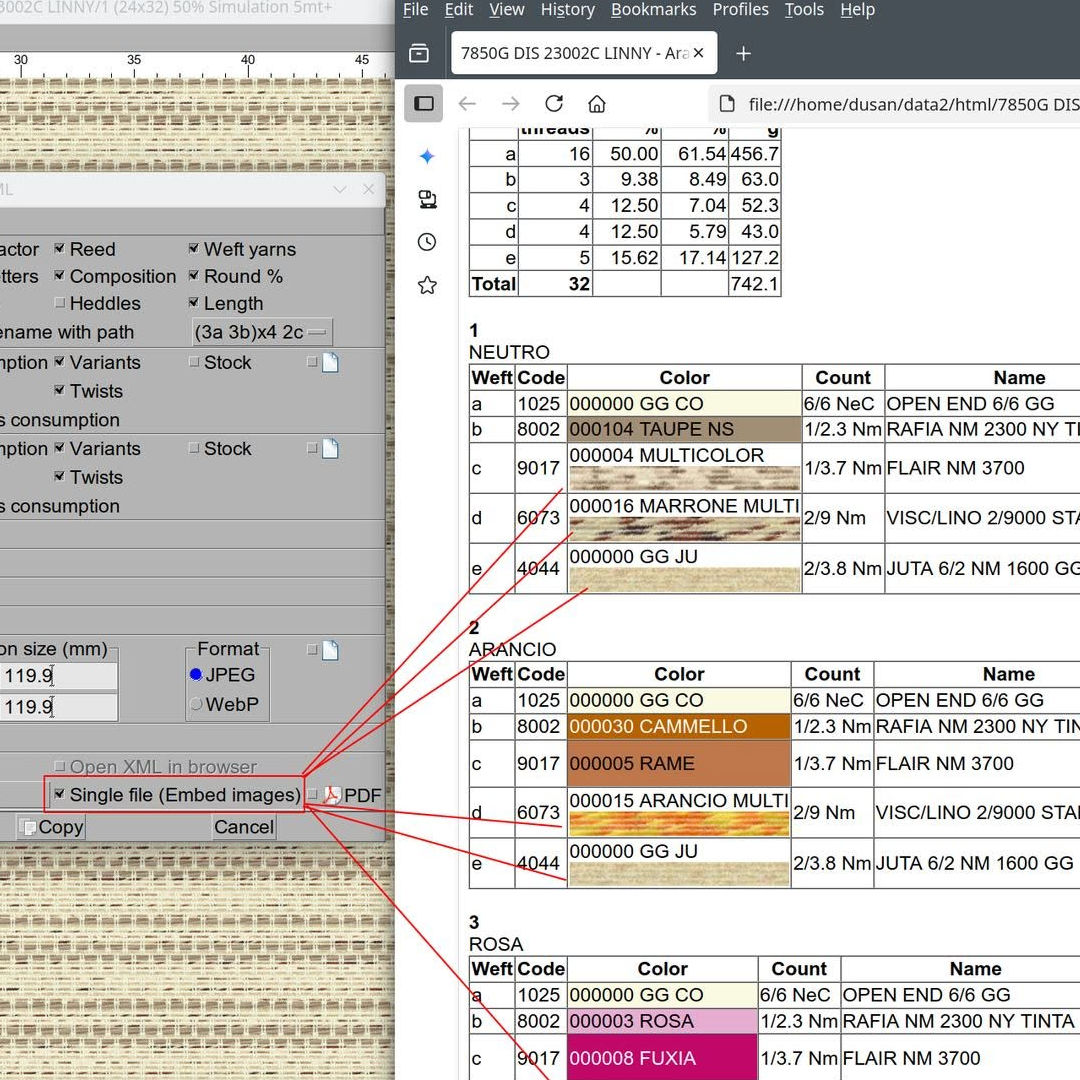
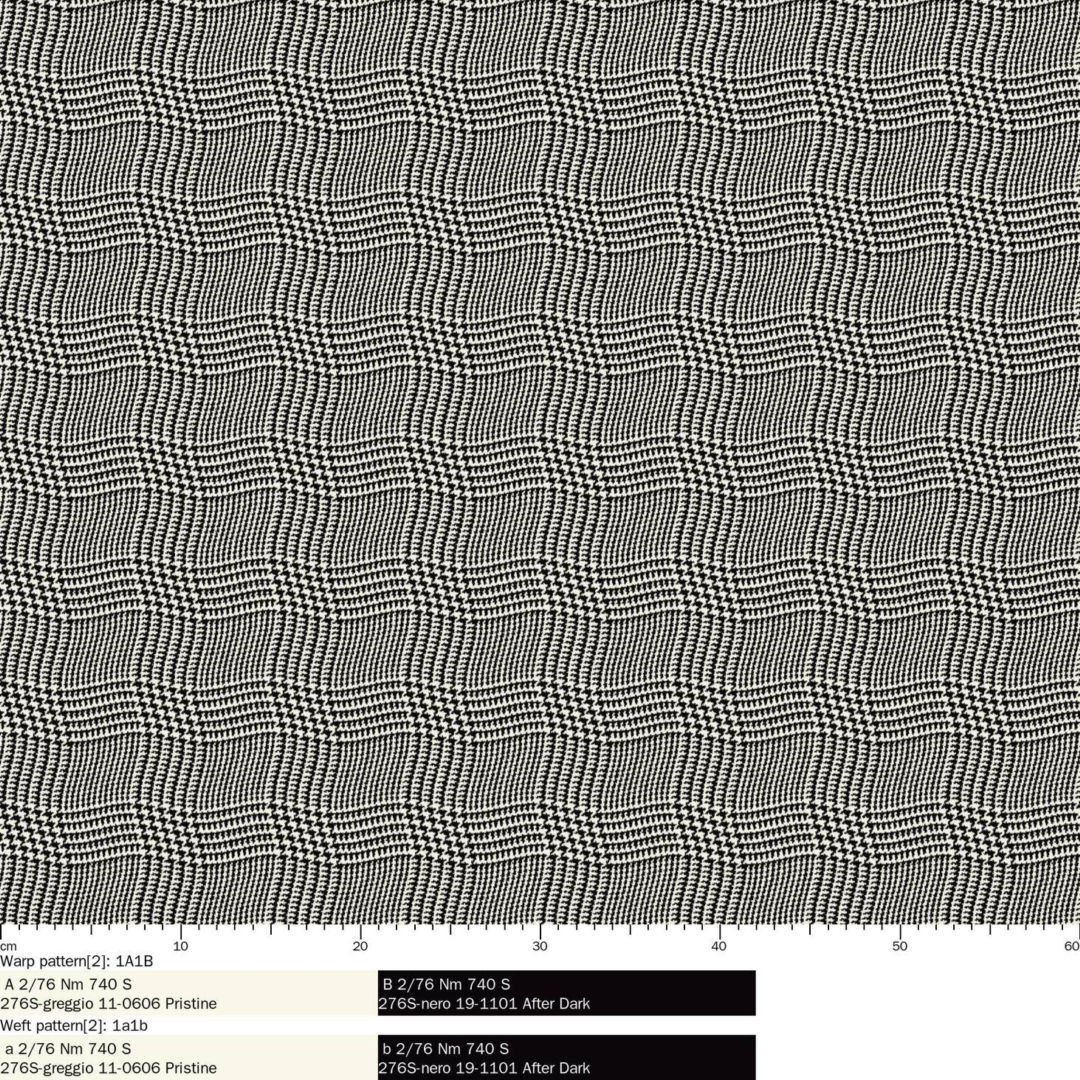
Fabric technical data sheets have always been a hot topic. Packing a large amount of technical information into a clear, easy-to-read layout that works for different teams is never simple. In the past, ArahWeave displayed a complete breakdown of component colors and percentages for melange and...
0
0

Improved ruler accuracy in ArahWeave

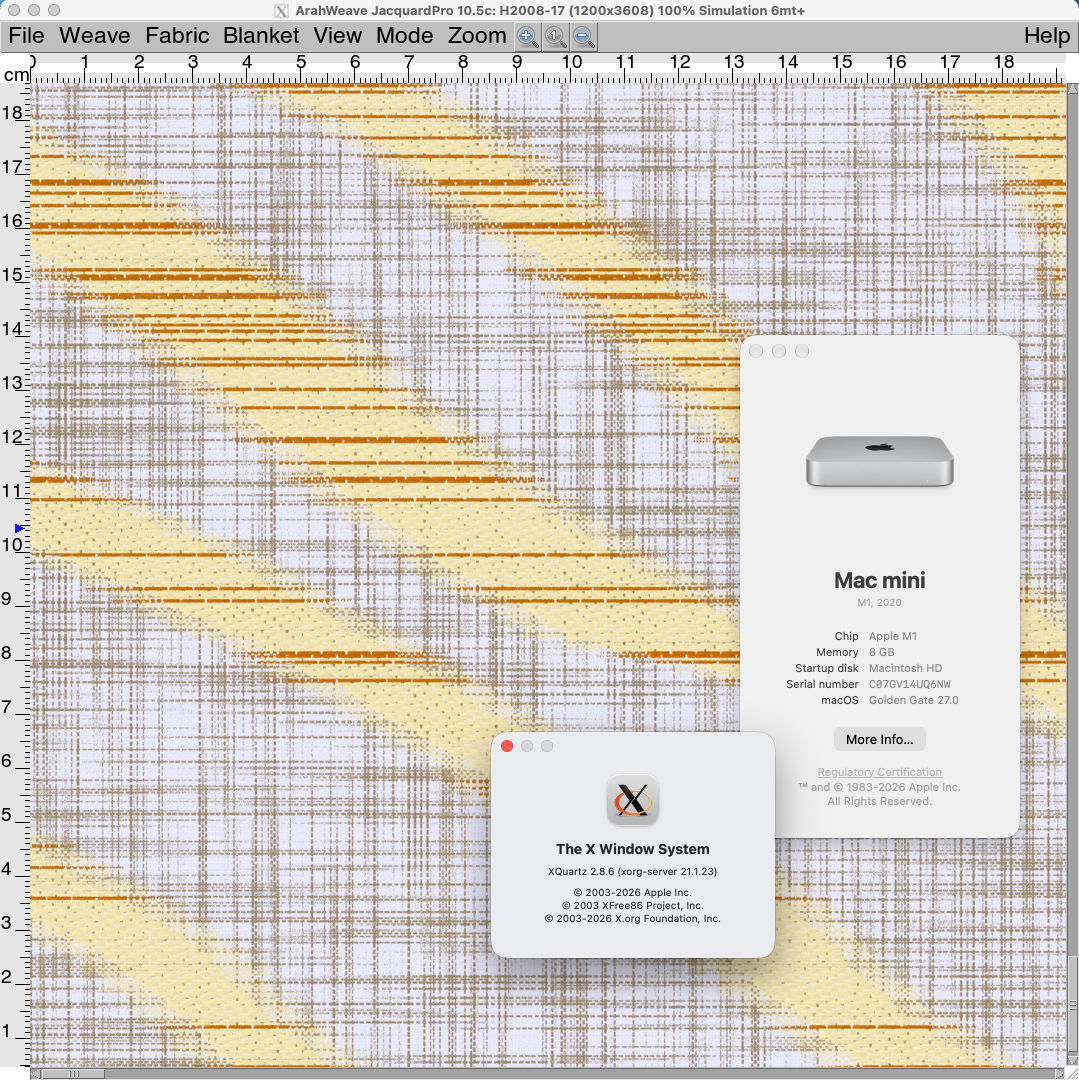
Rulers in printouts look like a trivial feature, but making them truly accurate is surprisingly difficult. We've just fine-tuned the ruler in ArahWeave, and the result is a more precise and more readable tool. A hidden rounding bug, fixed During testing, we uncovered a rounding bug that...

0
0

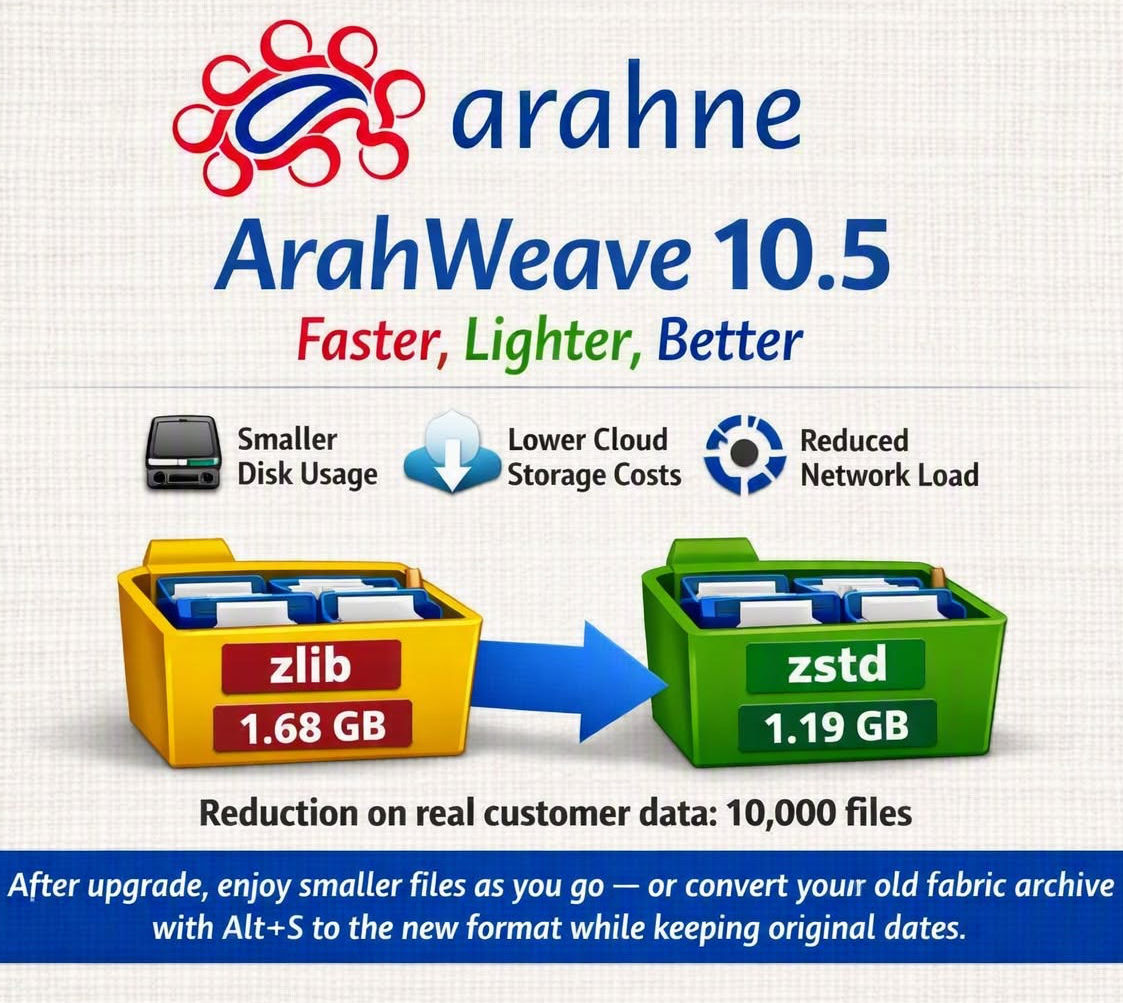
ArahWeave 10.5 – Faster, Lighter, Better

In the new version of ArahWeave 10.5 we have upgraded our compression engine from zlib to Zstd and tested it on a real customer dataset of 10,000 files. The benefits are immediate: Smaller files: depending on the fabric file type, size is reduced by 10–30% ...

0
0

Fast image cleanup with Averaging and Despeckle in ArahPaint

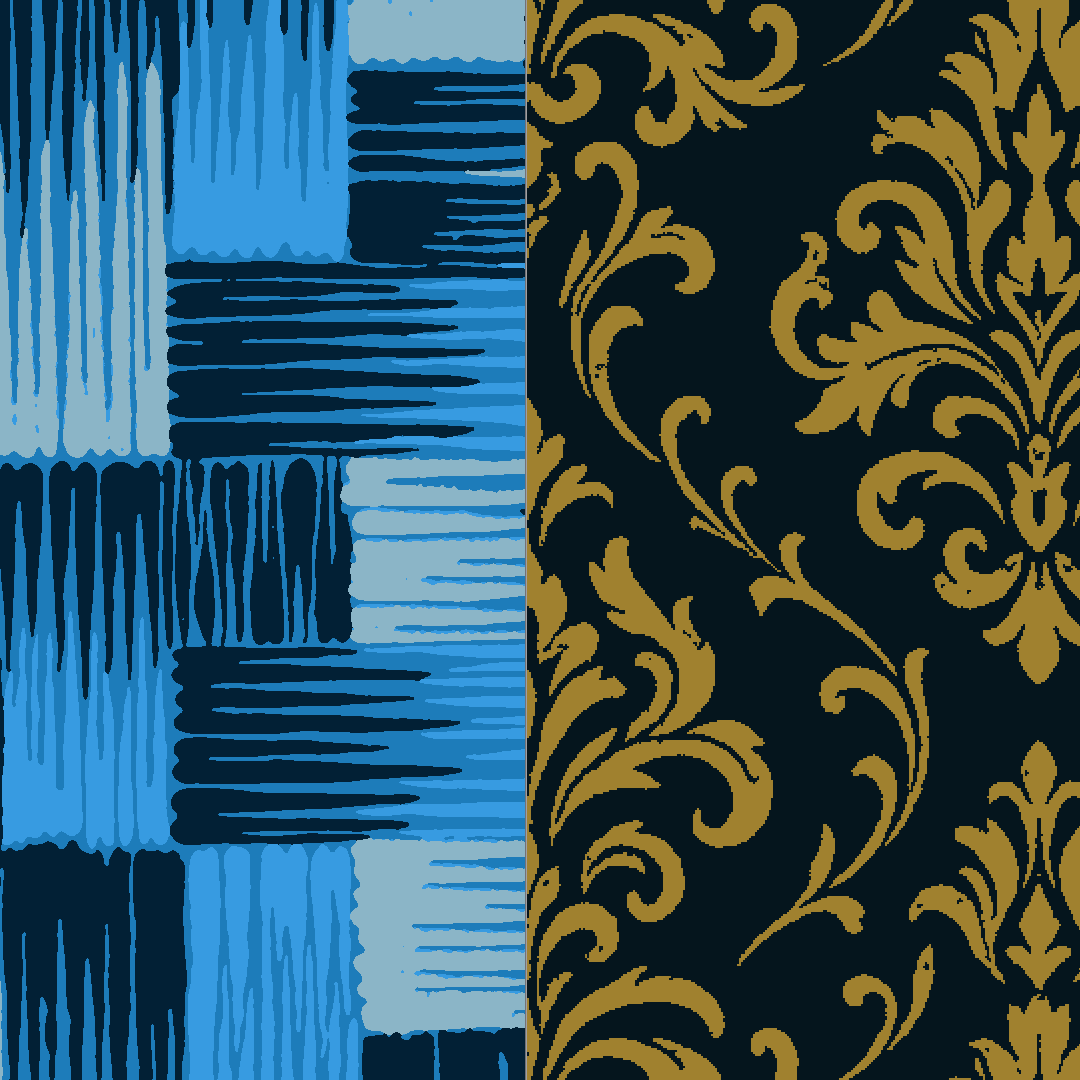
We’ve upgraded the Averaging and Despeckle tools in ArahPaint, turning them into standalone features with dedicated dialog windows. This gives you clearer control over all parameters and an immediate visual preview of the effect. Averaging tool To use Averaging, open Filters > Averaging, then click Preview to...

0
0

New update in ArahWeave: More densities for complex weaving

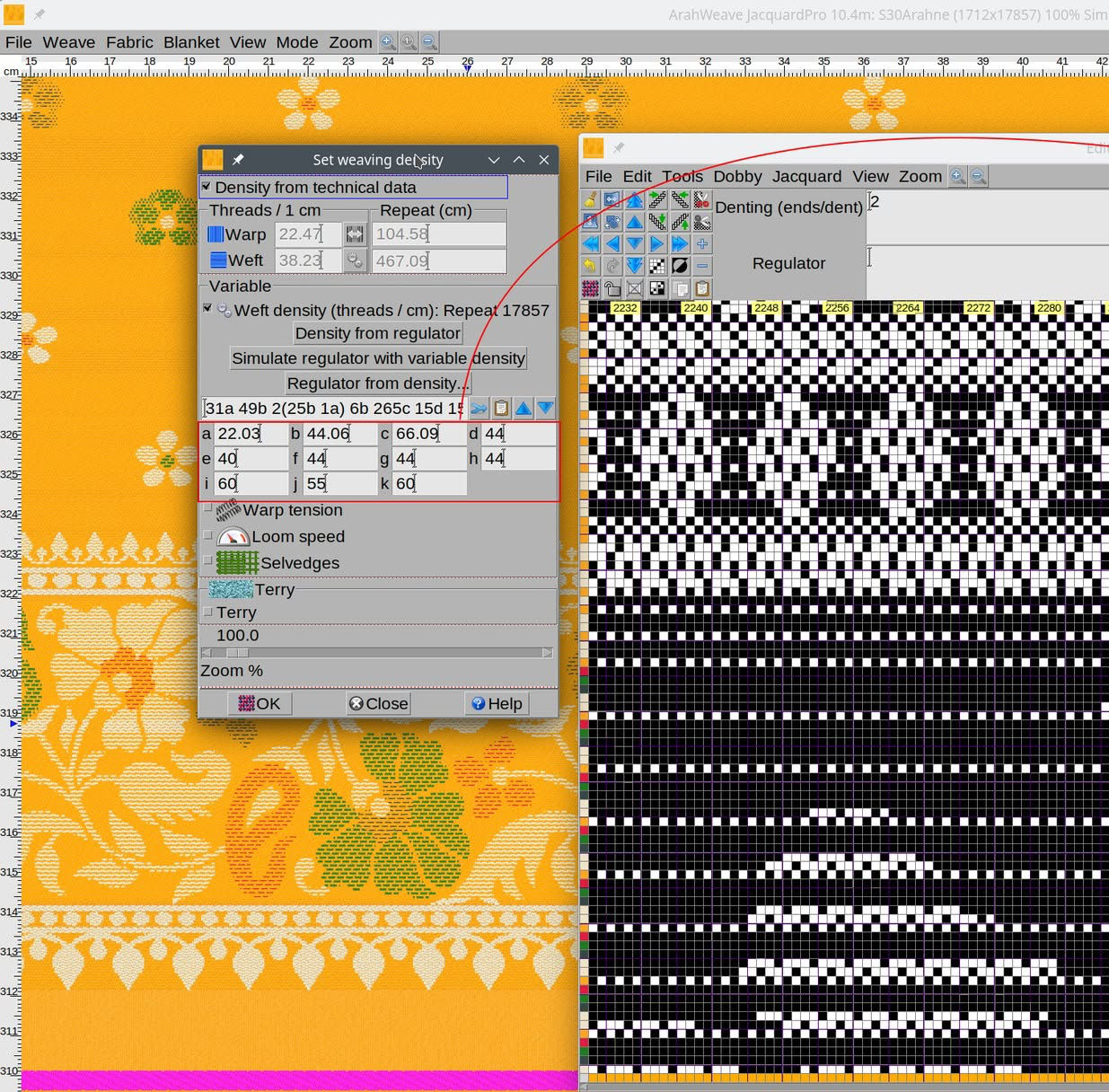
We’ve expanded the flexibility of variable density in ArahWeave CAD software. Some looms define density through a pattern where each letter represents a different weft density. We initially supported up to nine different densities, but feedback from customers in India weaving highly complex saris showed...

0
0

New feature in ArahWeave: Paste warp/weft patterns from an image

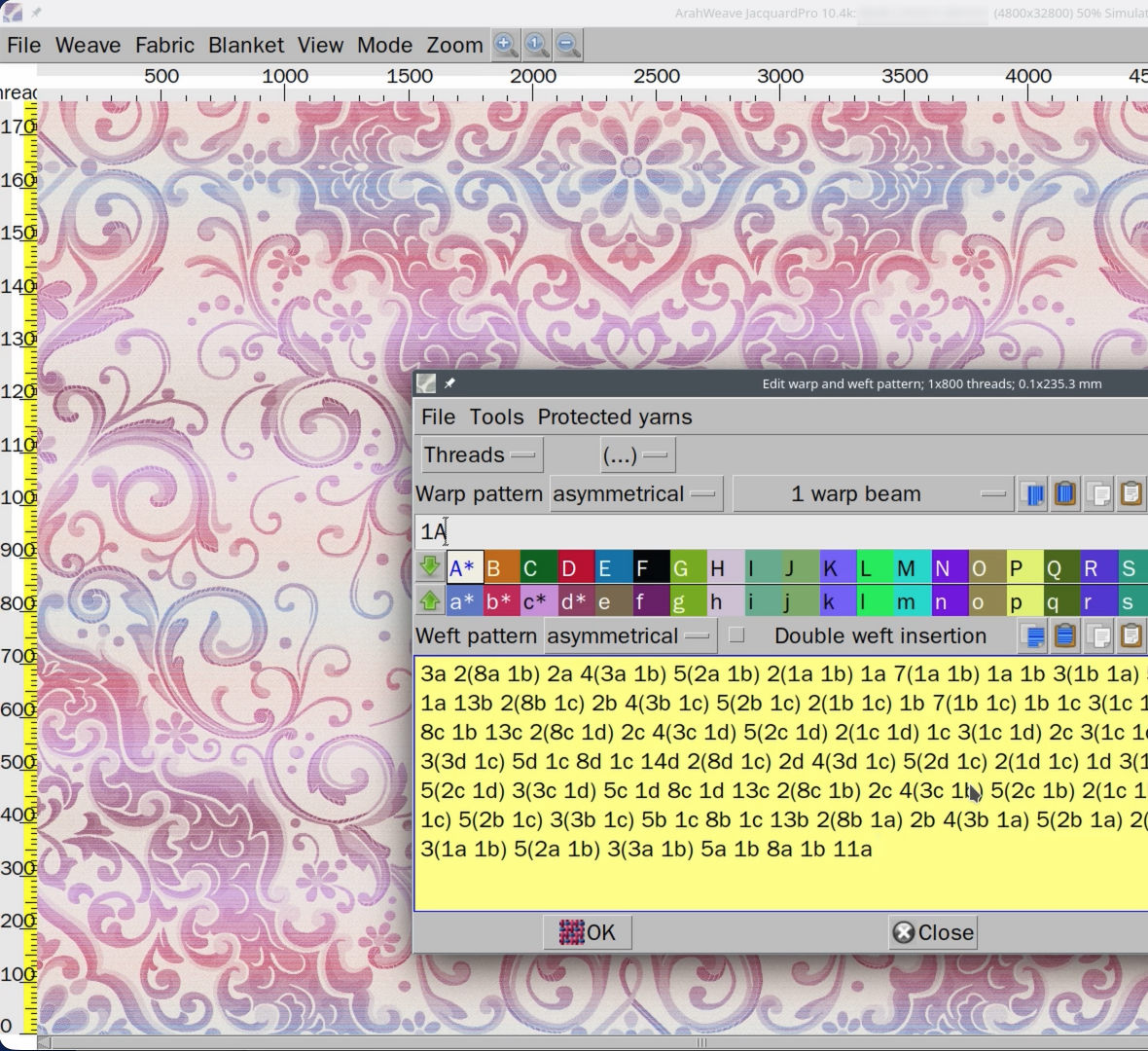
Designing complex warp and weft patterns just became dramatically faster. With the latest update in ArahWeave, you can now paste a full warp or weft pattern directly from an image, eliminating the need to build multi‑color patterns manually. Start by creating a small 8‑bit gradient image...

0
0